

Back to Stencil Gallery

People Tattoo Stencil Group

People-focused tattoo stencils are less forgiving than many object or symbol designs because facial proportion and expression can collapse quickly when detail is compressed. This small set provides a usable draft base for studying portrait clarity and stylized figure choices. Treat it as a precision group: line economy and value separation matter more here than decorative volume.

3 examplesUpdated April 1, 2026People
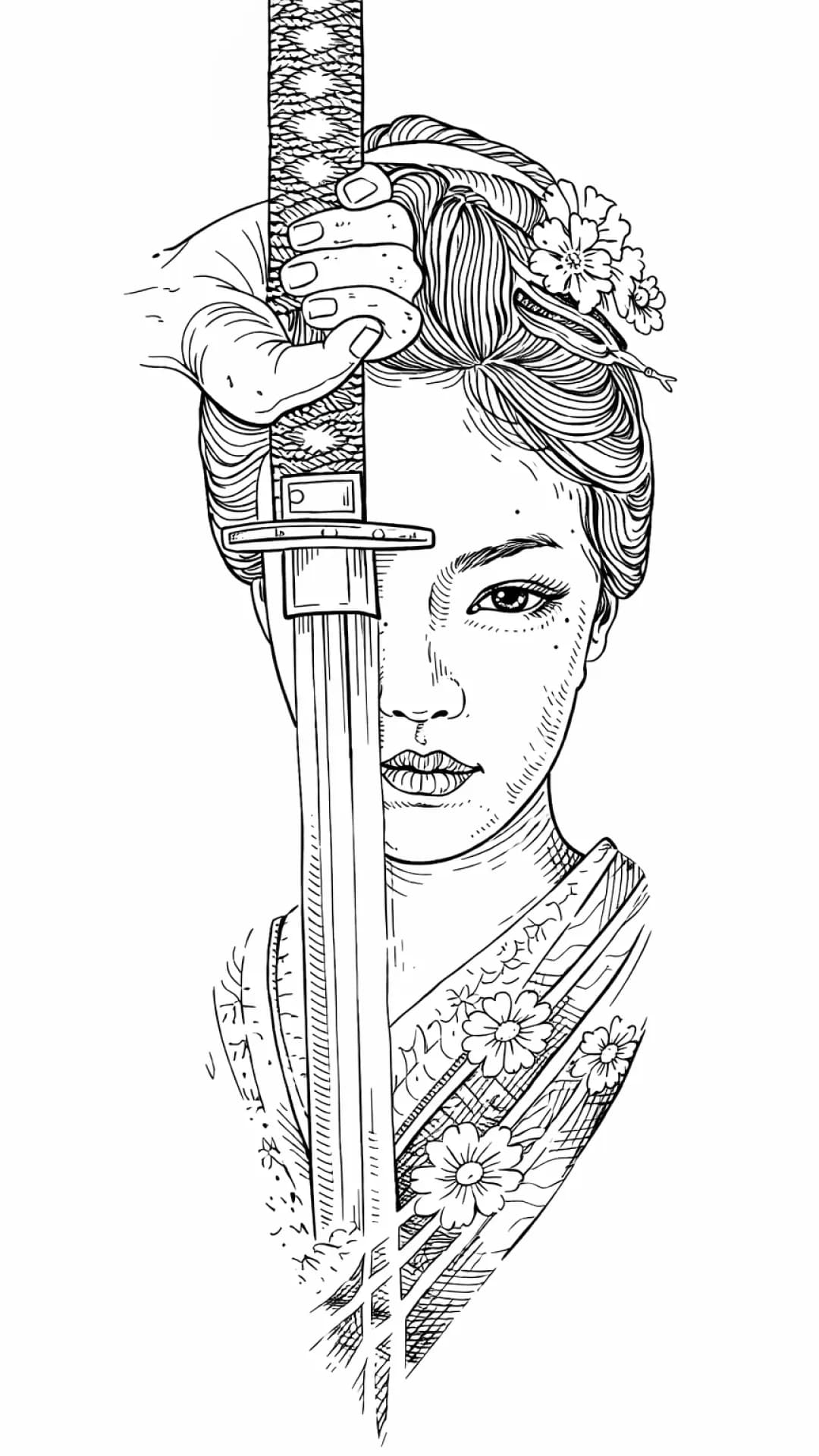
People Tattoo Stencil Group example featuring portrait linework and readable silhouette
Portrait example focusing on stencil readability and controlled detail density.

What works: The primary portrait reads clearly because the dominant silhouette is preserved before secondary interior detail is introduced.

Best for: Medium placements that can preserve both silhouette and secondary detail.

Watchouts: If this design is downsized too aggressively, the tightest line clusters may merge and reduce clarity.

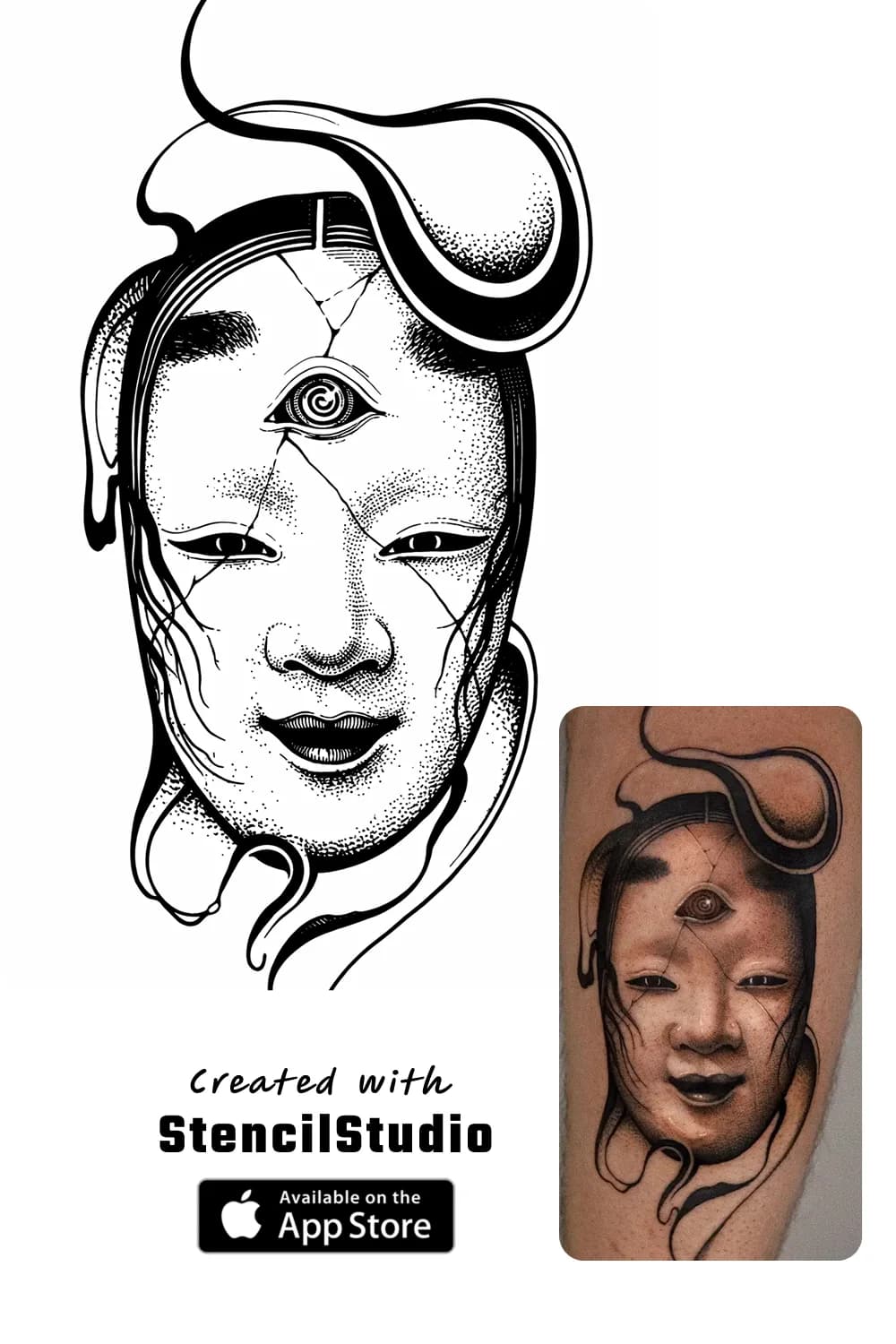
People Tattoo Stencil Group example featuring surreal face linework and readable silhouette
Surreal Face example focusing on stencil readability and controlled detail density.

What works: The primary surreal face reads clearly because the dominant silhouette is preserved before secondary interior detail is introduced.

Best for: Artists who want clear transfer structure before shading decisions.

Watchouts: If this design is downsized too aggressively, the tightest line clusters may merge and reduce clarity.

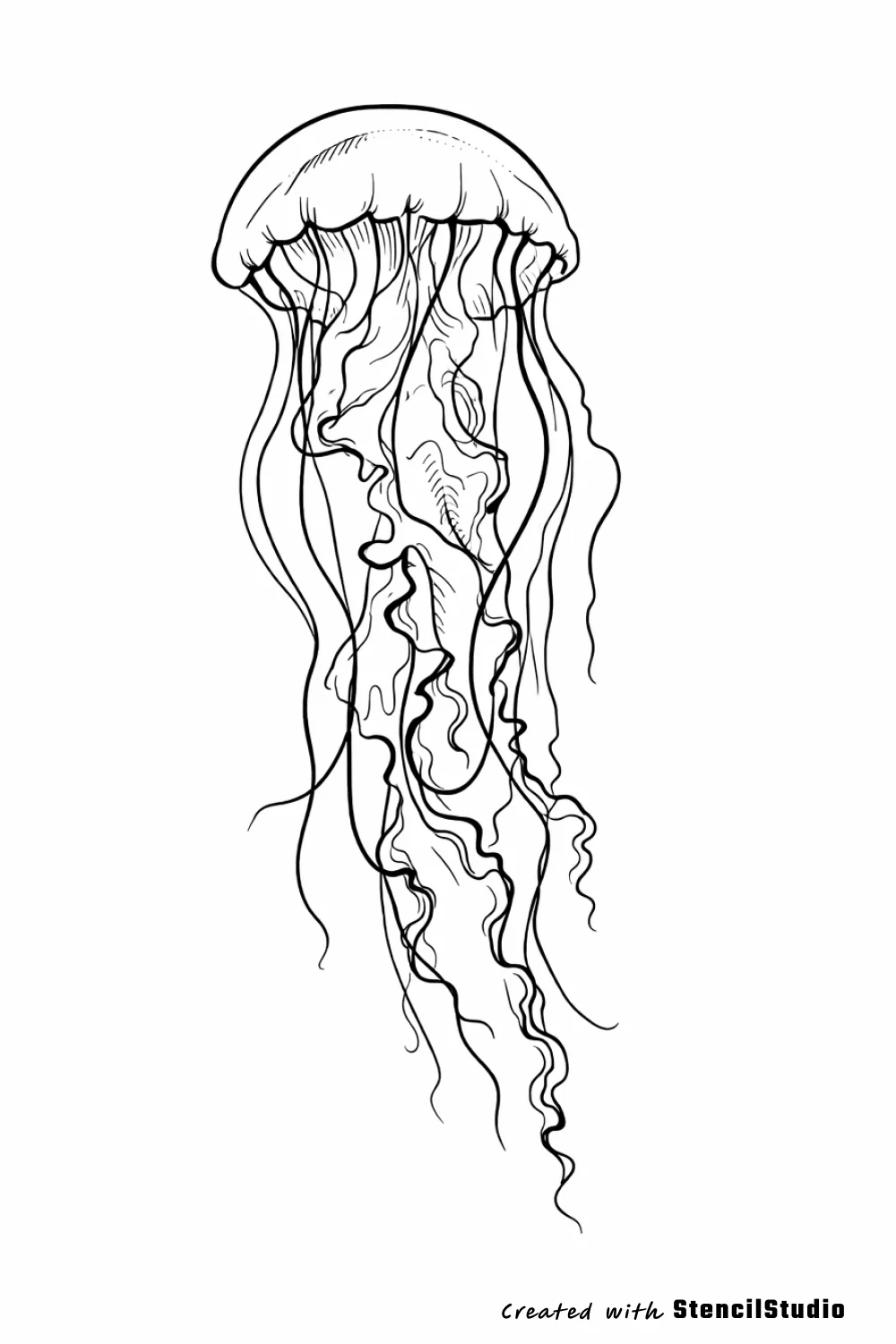
People Tattoo Stencil Group example featuring jellyfish linework and readable silhouette
Jellyfish example focusing on stencil readability and controlled detail density.

What works: The primary jellyfish reads clearly because the dominant silhouette is preserved before secondary interior detail is introduced.

Best for: Medium placements that can preserve both silhouette and secondary detail.

Watchouts: If this design is downsized too aggressively, the tightest line clusters may merge and reduce clarity.

Portrait Readability

What makes a face survive stencil transfer

The strongest human-subject stencils in this set lock in eye-line, nose contour, and jaw structure before adding texture. If those anchors are weak, likeness drops fast. This makes portrait planning less about total detail and more about correct placement of a few high-impact shapes.
Contrast Planning

Using dark-light balance without muddying features

High-contrast zones can strengthen facial focus, but overfilling nearby regions can flatten expression. Better outcomes come from leaving intentional breathing room around primary features. Compare pieces here to decide where contrast helps definition and where it introduces visual noise.

Draft Limitations

Where portrait stencils usually fail first

Portrait-heavy tattoo stencils break down fastest when the face loses its main landmarks or when secondary line clusters become too dense for the intended placement size. Use this group to compare how much information a portrait really needs to stay recognizable. The better examples hold the eye-line, nose structure, and jaw read without forcing every small crease into the transfer.

More to Explore

Scan for silhouette strength before you care about tiny decorative details.

Compare what still reads clearly when the subject is reduced into stencil-first linework.

Use the commentary to spot where density helps and where it starts to collapse.

When a direction feels right, jump into the app, the samples page, or pricing.

Related Guides

Read the workflow behind this stencil category

Open blog

FAQ

Quick questions about this stencil collection

It helps you compare stencil readability, silhouette control, and detail density across 3 examples before you start drawing from your own references.

It is most useful for tattoo artists who want visual references for how this subject category holds up as stencil-first linework before transfer, placement, or final drawing decisions.

Once you know what reads clearly, move into the app workflow, open the samples page, or check pricing if you are ready for that part.

Use this workflow in the app

Build your own stencil draft in the app

Use these examples as reference, then generate a practical draft in StencilStudio and refine line complexity before your tattoo appointment.