
Back to Stencil Gallery

Animal Tattoo Stencil Group

This animal stencil group is broad on purpose: it lets you compare mammals, birds, fish, and creature-inspired forms in one place while still preserving subject metadata per image. The strongest pieces here share two traits: immediate silhouette readability and controlled interior detail that can survive downsizing. Use this page to spot which animal concepts stay clear as line-first stencils before you move into final tattoo design decisions.

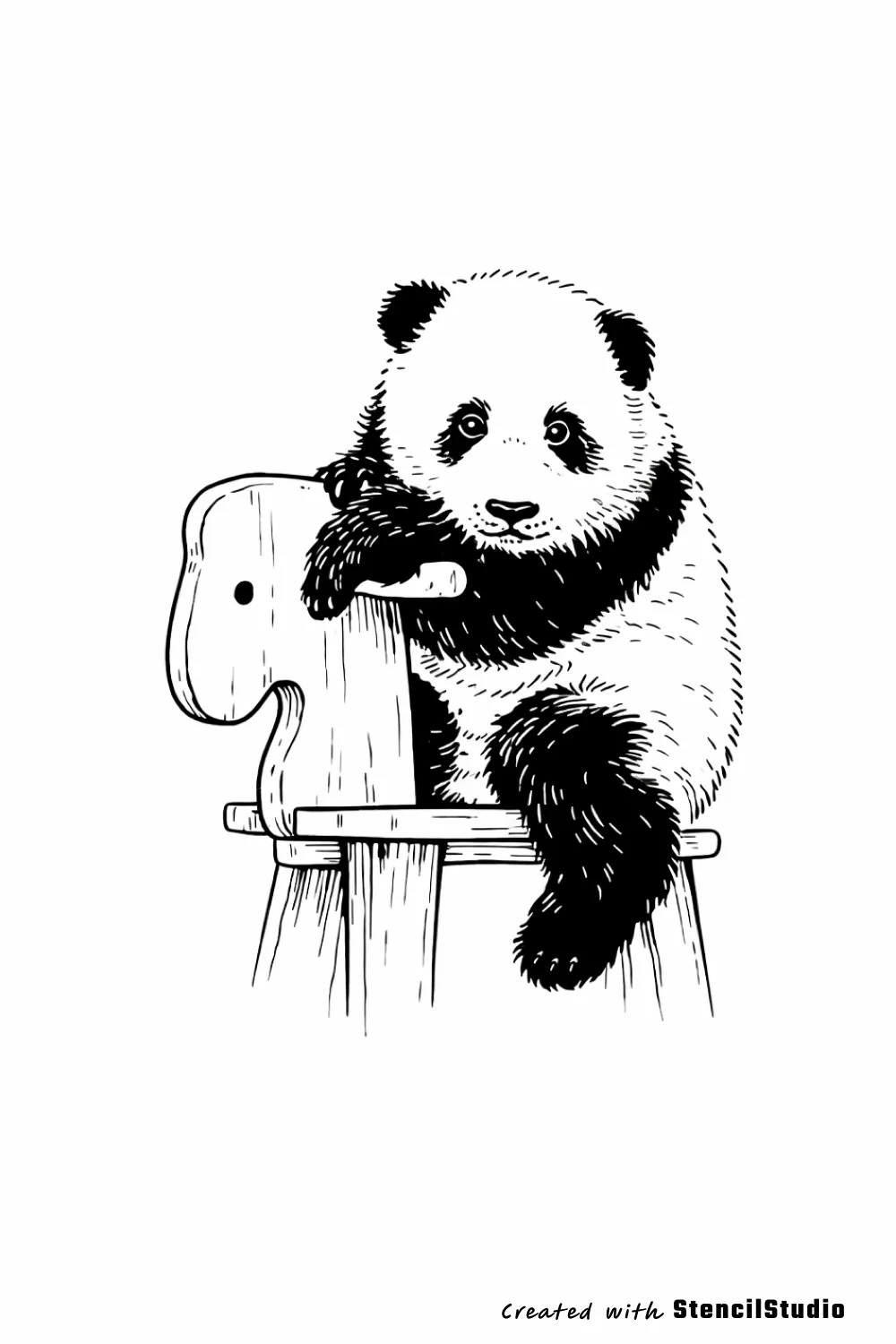
Animal Tattoo Stencil Group example featuring panda linework and readable silhouette
Panda example focusing on stencil readability and controlled detail density.

What works: The primary panda reads clearly because the dominant silhouette is preserved before secondary interior detail is introduced.

Best for: Medium placements that can preserve both silhouette and secondary detail.

Watchouts: If this design is downsized too aggressively, the tightest line clusters may merge and reduce clarity.

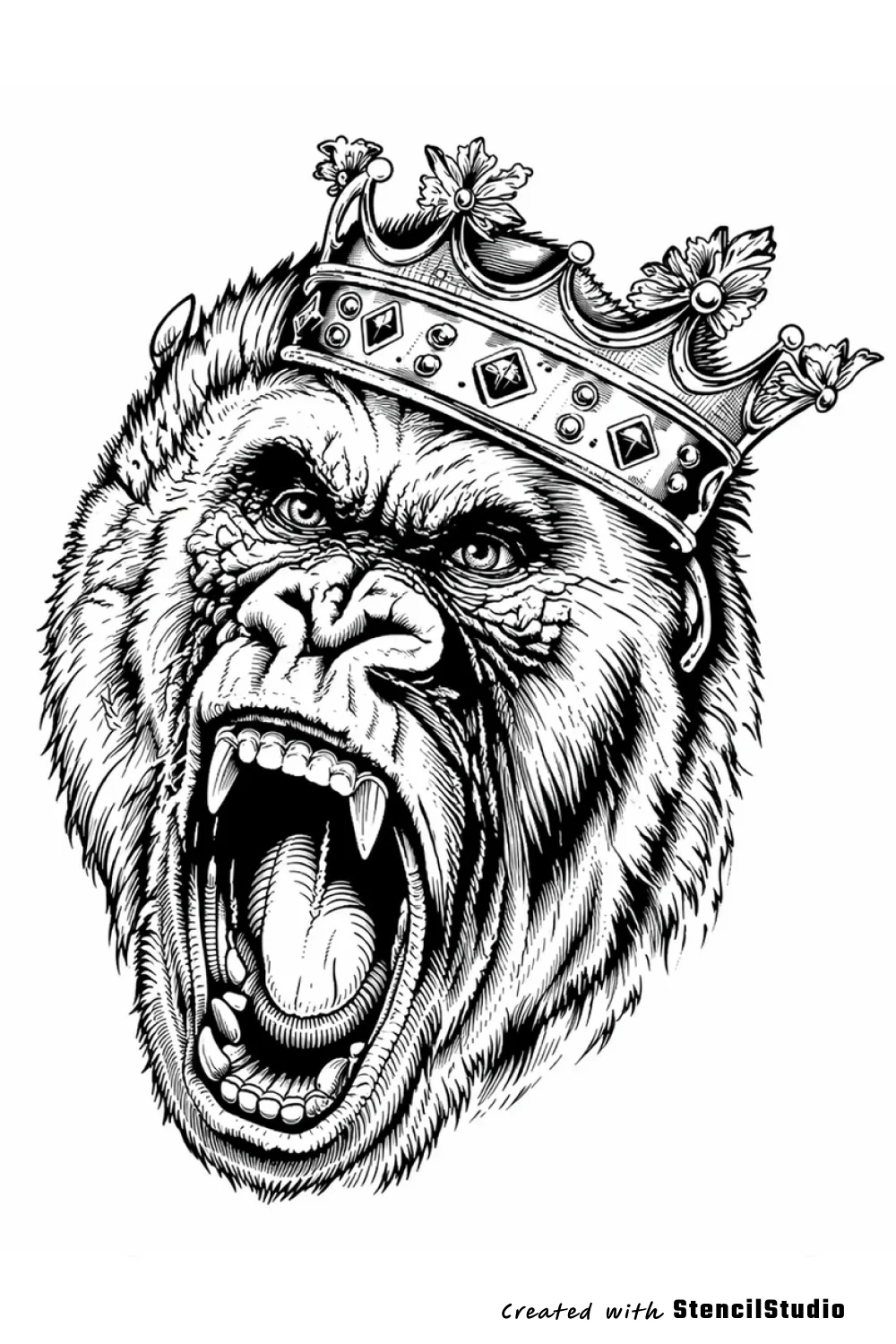
Animal Tattoo Stencil Group example featuring gorilla linework and readable silhouette
Gorilla example focusing on stencil readability and controlled detail density.

What works: The primary gorilla reads clearly because the dominant silhouette is preserved before secondary interior detail is introduced.

Best for: Artists who want clear transfer structure before shading decisions.

Watchouts: If this design is downsized too aggressively, the tightest line clusters may merge and reduce clarity.

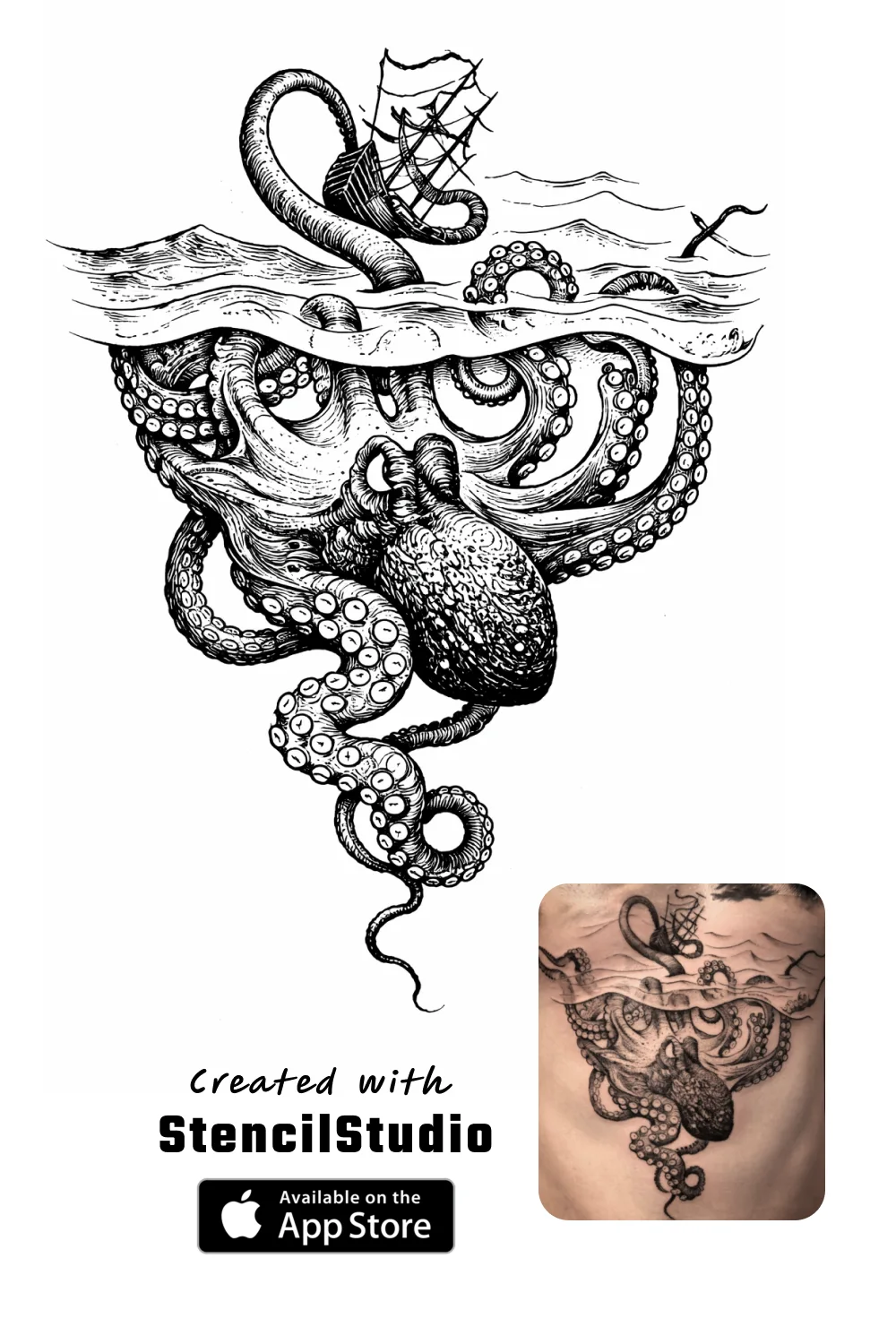
Animal Tattoo Stencil Group example featuring octopus linework and readable silhouette
Octopus example focusing on stencil readability and controlled detail density.

What works: The primary octopus reads clearly because the dominant silhouette is preserved before secondary interior detail is introduced.

Best for: Medium placements that can preserve both silhouette and secondary detail.

Watchouts: If this design is downsized too aggressively, the tightest line clusters may merge and reduce clarity.

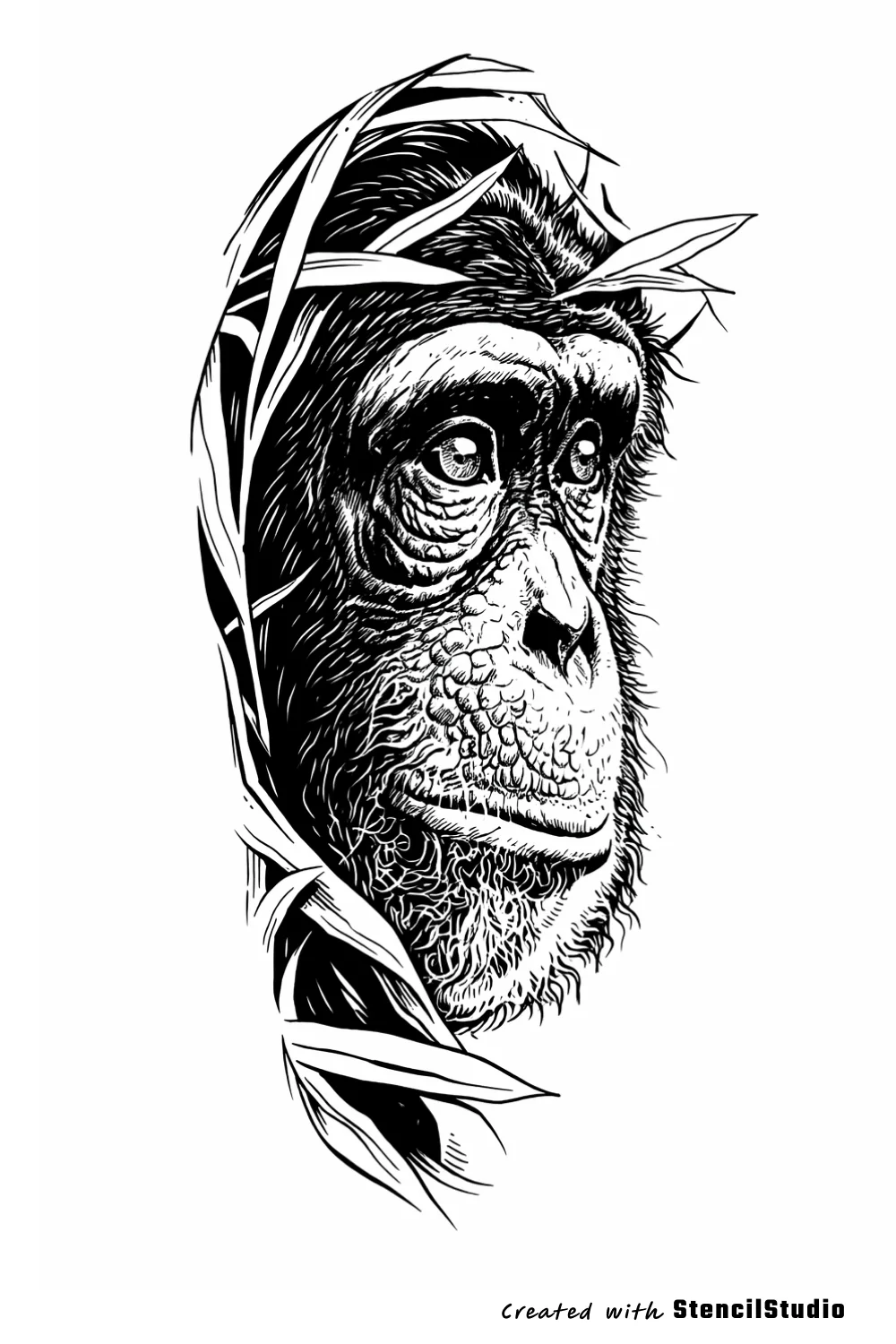
Animal Tattoo Stencil Group example featuring chimpanzee linework and readable silhouette
Chimpanzee example focusing on stencil readability and controlled detail density.

What works: The primary chimpanzee reads clearly because the dominant silhouette is preserved before secondary interior detail is introduced.

Best for: Artists who want clear transfer structure before shading decisions.

Watchouts: If this design is downsized too aggressively, the tightest line clusters may merge and reduce clarity.

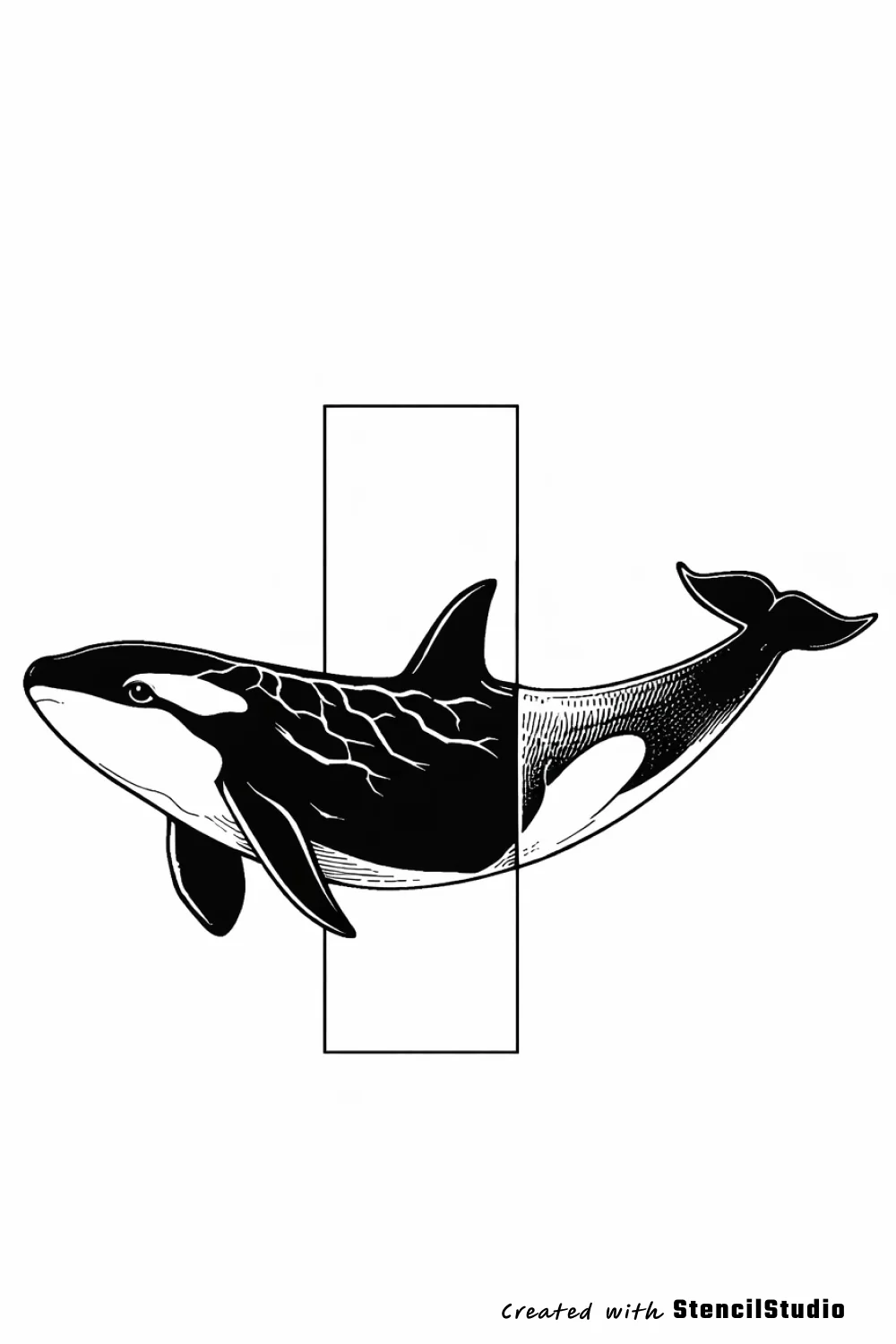
Animal Tattoo Stencil Group example featuring orca linework and readable silhouette
Orca example focusing on stencil readability and controlled detail density.

What works: The primary orca reads clearly because the dominant silhouette is preserved before secondary interior detail is introduced.

Best for: Medium placements that can preserve both silhouette and secondary detail.

Watchouts: If this design is downsized too aggressively, the tightest line clusters may merge and reduce clarity.

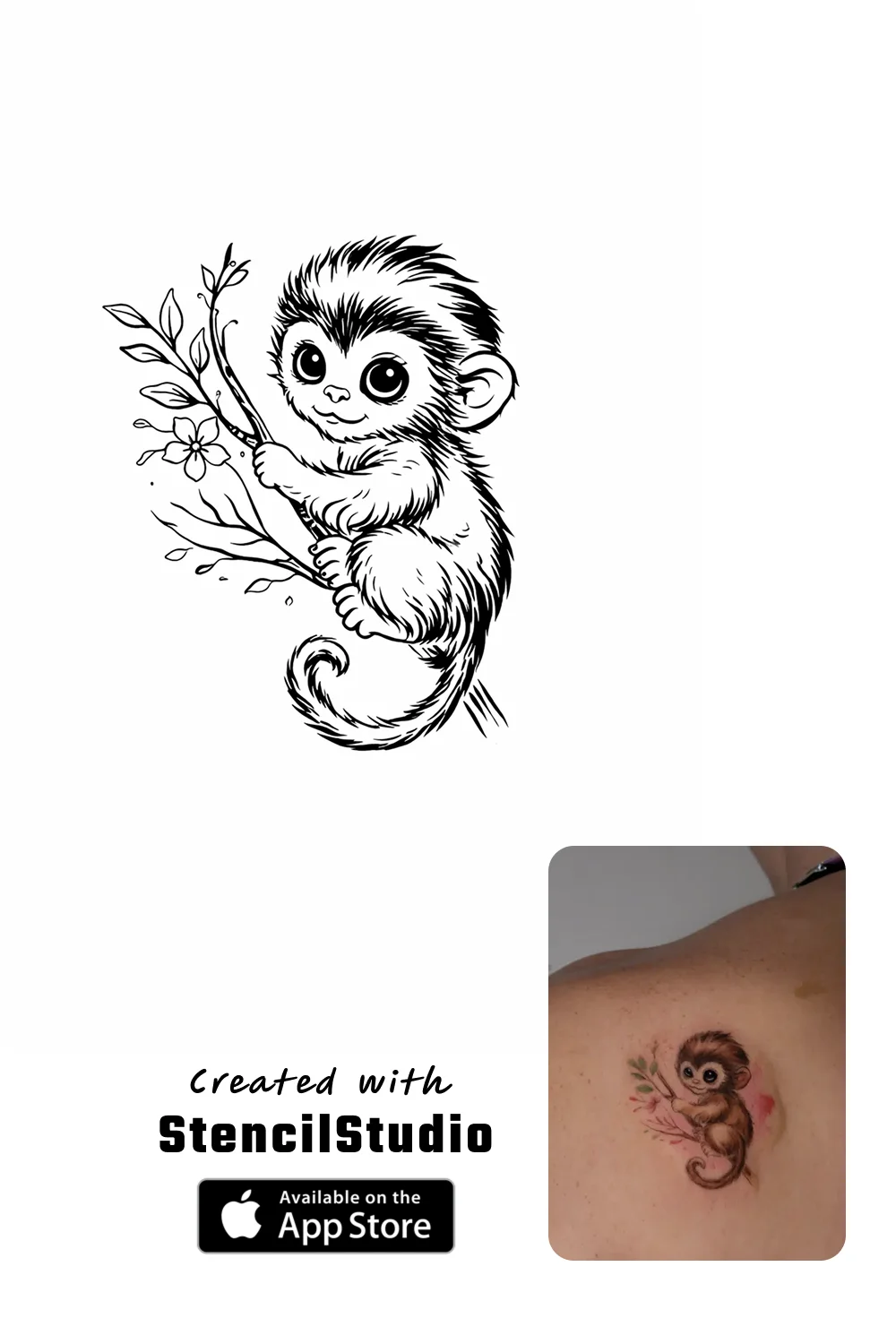
Animal Tattoo Stencil Group example featuring monkey linework and readable silhouette
Monkey example focusing on stencil readability and controlled detail density.

What works: The primary monkey reads clearly because the dominant silhouette is preserved before secondary interior detail is introduced.

Best for: Artists who want clear transfer structure before shading decisions.

Watchouts: If this design is downsized too aggressively, the tightest line clusters may merge and reduce clarity.

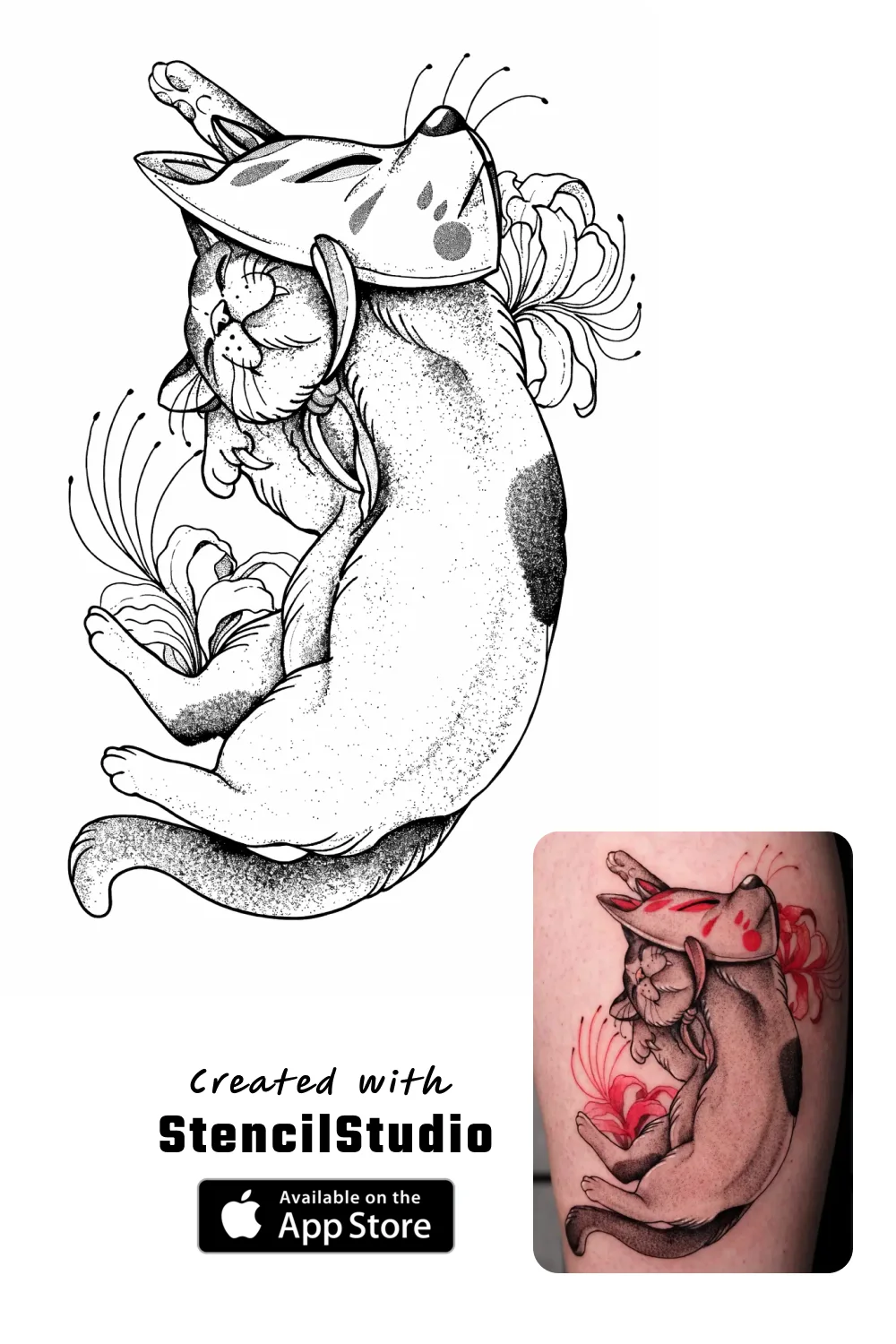
Animal Tattoo Stencil Group example featuring cat linework and readable silhouette
Cat example focusing on stencil readability and controlled detail density.

What works: The primary cat reads clearly because the dominant silhouette is preserved before secondary interior detail is introduced.

Best for: Medium placements that can preserve both silhouette and secondary detail.

Watchouts: If this design is downsized too aggressively, the tightest line clusters may merge and reduce clarity.

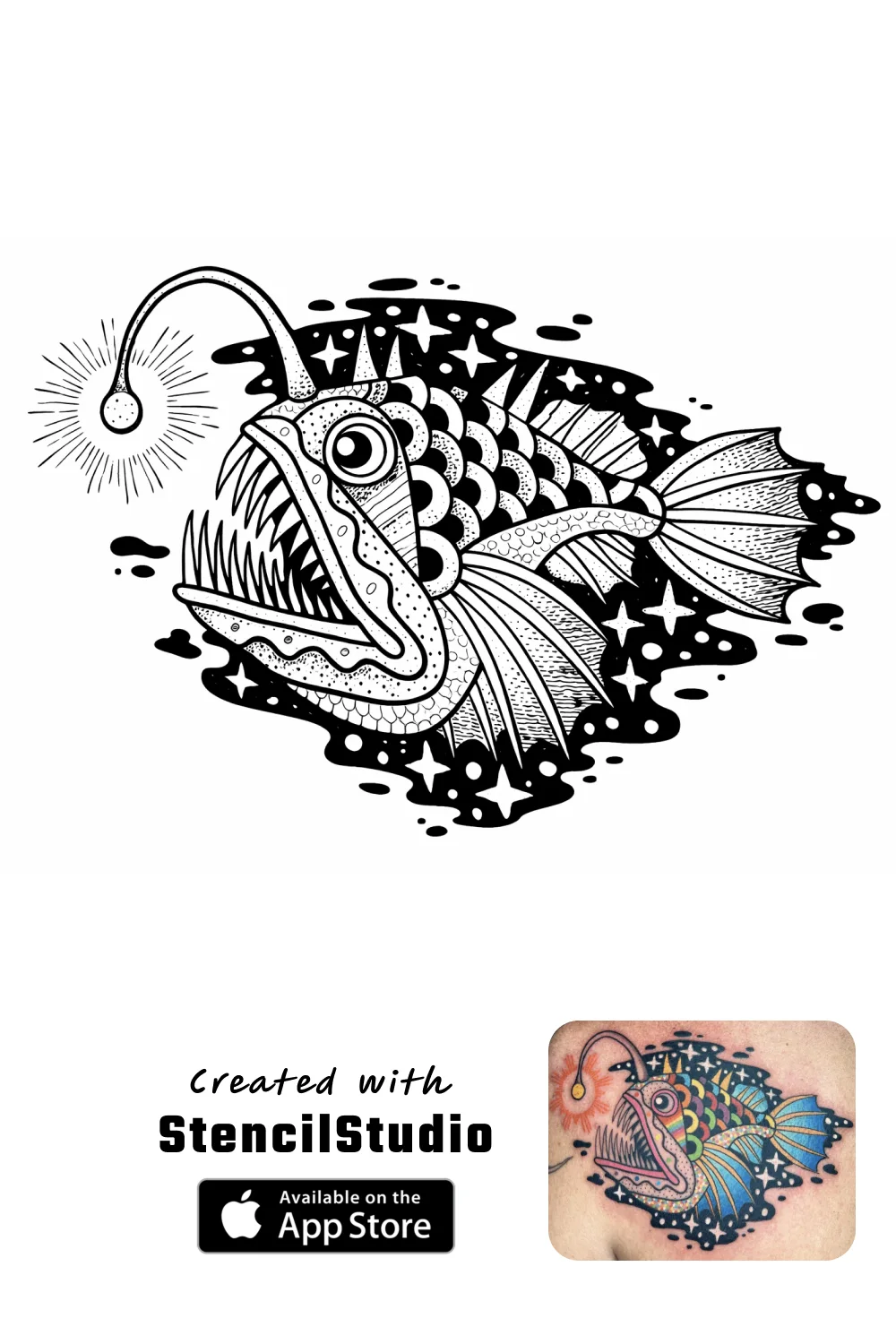
Animal Tattoo Stencil Group example featuring anglerfish linework and readable silhouette
Anglerfish example focusing on stencil readability and controlled detail density.

What works: The primary anglerfish reads clearly because the dominant silhouette is preserved before secondary interior detail is introduced.

Best for: Artists who want clear transfer structure before shading decisions.

Watchouts: If this design is downsized too aggressively, the tightest line clusters may merge and reduce clarity.

Stencil Clarity

Why animals perform well in stencil-first workflows

Animal subjects usually start with clear outer shape language, which makes transfer readability more reliable. In this set, high-performing examples keep head and body contours obvious first, then layer texture as secondary information. That order matters when artists need a dependable stencil under time pressure or when placement limits detail.

Detail Control

Where line density helps and where it risks blur

Fur, feathers, and scales can add character, but the better examples here use spacing breaks to prevent a grey mass effect. Dense micro-lines around eyes or jawlines often look strong at larger sizes, while tiny repetitive textures need simplification on small placements. Compare simpler silhouettes against textured pieces to decide where detail actually improves readability.

Placement Notes

How to choose size by subject complexity

Compact subjects with one dominant focal point can hold up on smaller body zones, while multi-texture animals typically need more room to breathe. For practical outcomes, size decisions should be tied to the tightest detail cluster in the stencil, not the overall outline. This set gives enough range to benchmark those tradeoffs before committing to final scale.

Keep Browsing

Use this workflow in the app

Build your own stencil draft in the app

Use these examples as reference, then generate a practical draft in StencilStudio and refine line complexity before your tattoo appointment.