
Back to Stencil Gallery

Floral Tattoo Stencil Group

This floral stencil page is an early but useful reference set for artists who care about flow, spacing, and botanical rhythm more than raw volume. Even with a small inventory, the existing example is strong enough to show how floral subjects can stay readable when the stencil preserves motion first and detail second. Use this page to study how line direction and open space support floral placement before the design gets overloaded.

1 examplesUpdated April 1, 2026Floral
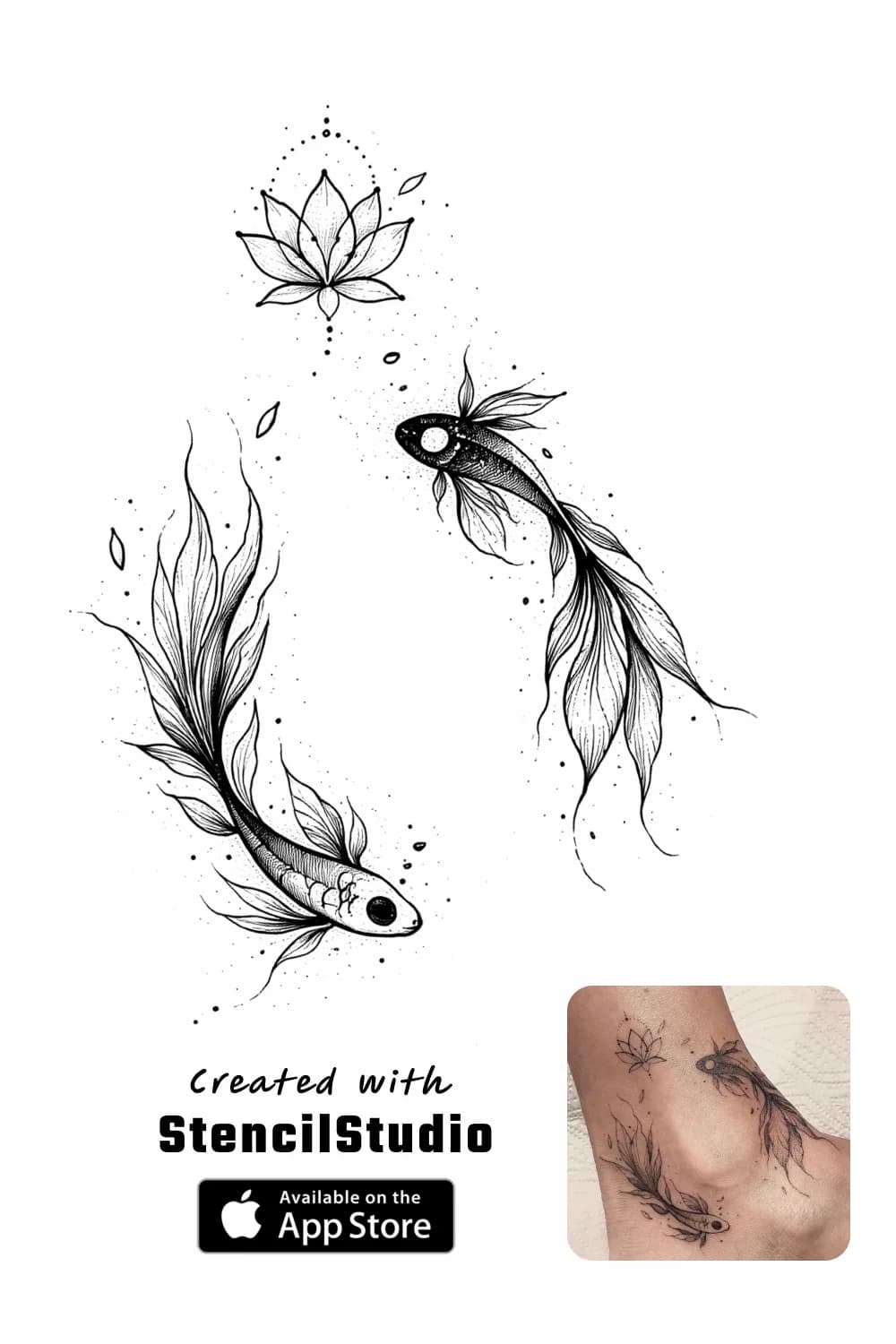
Floral tattoo stencil example featuring lotus and fish linework with readable flow
Lotus and fish example focused on flowing placement and controlled botanical detail.

What works: The stencil holds its flow because the larger petal movement stays clear before smaller decorative detail takes over.

Best for: Placements that can benefit from visible movement, like limbs or other vertical flows.

Watchouts: If the piece is scaled too small, the tighter internal turns can start to crowd one another.

Flow

Why floral stencils live or die by movement

Floral designs are usually judged first by how they move across the body, not by how many petals or internal accents they contain. A useful floral stencil protects that directional flow before it starts adding decorative secondary detail. This example works because the larger rhythm is readable immediately.
Spacing

Where botanical detail helps and where it starts to crowd

Petal edges, leaf turns, and ornamental overlaps can add richness, but only if the stencil still has breathing room. Once those clusters compress too tightly, floral work loses elegance and starts to read as texture noise. This page is a good reminder to protect openness first.

Placement Notes

How to use floral references before the final draft

Look at the main direction of the composition, the largest open spaces, and which curves feel structurally necessary. Those three checks usually matter more than preserving every decorative edge from the source image. That is the practical reason to study floral stencil examples before final placement decisions.

More to Explore

Scan for silhouette strength before you care about tiny decorative details.

Compare what still reads clearly when the subject is reduced into stencil-first linework.

Use the commentary to spot where density helps and where it starts to collapse.

When a direction feels right, jump into the app, the samples page, or pricing.

Related Guides

Read the workflow behind this stencil category

Open blog

FAQ

Quick questions about this stencil collection

It helps you compare stencil readability, silhouette control, and detail density across 1 examples before you start drawing from your own references.

It is most useful for tattoo artists who want visual references for how this subject category holds up as stencil-first linework before transfer, placement, or final drawing decisions.

Once you know what reads clearly, move into the app workflow, open the samples page, or check pricing if you are ready for that part.

Use this workflow in the app

Use floral flow references, then build your own stencil draft

Use this example to anchor the placement and spacing decisions first, then move into StencilStudio to create your own cleaner draft.